

Policies and Regulations
Government and Regulatory Requirements are evolving rapidly. Key policies from each jurisdiction are highlighted below.
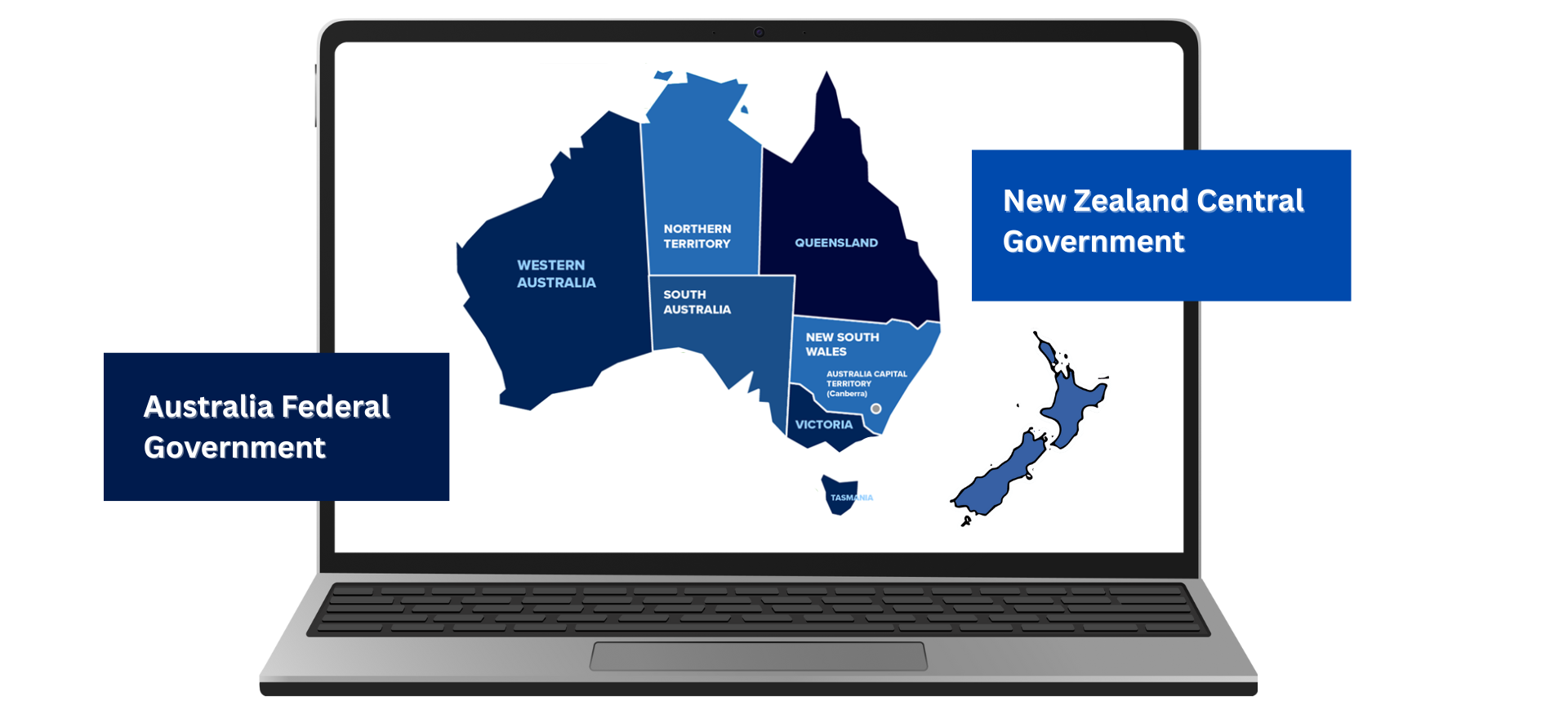
Featured




Government and Regulatory Requirements are evolving rapidly. Key policies from each jurisdiction are highlighted below.
Overview: Deliver value for Queenslanders through simpler, fairer procurement that supports local suppliers and a diverse supplier base.
Key Features: Whole-of-government policy, effective 1 January 2026, built on five strategic pillars. Pillar 5 covers practical economic, environmental and social impact, including support for social enterprises and Aboriginal and Torres Strait Islander businesses. Target of 30% of procurement by value with Queensland SMEs. Target of at least 3% of procurement by value with Aboriginal and Torres Strait Islander businesses. Set-asides permitted for diverse suppliers. New Procurement Assurance Model and Supplier Code of Conduct 2026.
Overview: Set the Government's minimum expectations for public servants spending public money, with a new focus on economic benefit to New Zealand.
Key Features: In effect from 1 December 2025. Streamlined from 71 rules to 47. New Rule 8 (Economic Benefit to New Zealand) applies to procurements over $100,000 for goods, services and refurbishment, and over $9 million for construction. Suppliers must show how they will deliver benefit to New Zealand, such as using NZ businesses (including SMEs and regional businesses), building industry capability, and contributing to positive social and cultural outcomes. Increased transparency and reporting obligations for agencies.
Overview: Support Tasmanian local suppliers
Key Features: Local content targets mandated. SMEs prioritised in contracts. Annual compliance reporting required.
Overview: Support ACT Aboriginal and Torres Strait Islander employment and economic participation.
Key Features: Encourages economic participation of Aboriginal and Torres Strait Islander Enterprises through target setting for contracts >$5 million, increasing year on year. Mandated government reporting.
Overview: Mitigate and prevent modern slavery in supply chains.
Key Features: Risk assessments required. Suppliers must meet due diligence obligations. Annual slavery statements published.
Overview: Increase participation of Indigenous businesses and people
Key Features: Aims to support employment opportunities for Aboriginal people and drive sustainable growth of Aboriginal owned businesses via government procurement.
Overview: Increase SME and regional business participation in procurement
Key Features: SME participation targets for government procurement >$3m. Suppliers must submit SME and local participation plan referencing SME and NSW specific content with International Procurement Agreement (IPA) obligations and quarterly reporting.
Overview: Support greater participation by Aboriginal and Torres Strait Islander peoples in government construction
Key Features: APiC applies to most construction contracts over $1 million. The key requirement of APiC is that a minimum of 1.5% of the total contract value, minus exclusions, is directed to Aboriginal employment, training and goods and services.
Overview: Increase Aboriginal business participation
Key Features: Aboriginal procurement targets mandated. Businesses must be engaged in contracts. Agencies report annually on compliance.
Overview: Driving growth in the Aboriginal business sector, facilitating employment and business opportunities for Aboriginal people across WA.
Key Features: State agencies and contractors required to meet targets (increasing year on year) for % of awarded contracts to registered Aboriginal businesses and organisations. Reporting requirements apply to agencies and contractors.
Overview: Provides local businesses with enhanced access to the government market and maximisers WA industry participation.
Key Features: Price preferences and initiatives including support for local and regional businesses and disability employment outcomes. Supports the WAIPS setting industry participation targets for contracts above thresholds. Annual compliance reporting required.
Overview: Increase women’s participation in the construction industry
Key Features: Sets requirements for gender impact assessments across public sector policy making and budget setting. Promotes target setting, gender based violence prevention initiatives, inclusive employment and gender responsive services. Frameworks to track progress and impact. Annual reporting requirements.
Overview: Supports local jobs, industry and workforce development
Key Features: Sets minimum local content requirements for standard and strategic projects. Minimum workforce skills and participation requirements applicable to major projects. Contractors publish quarterly or annual reporting.
Overview: Embed social, economic, and environmental value into procurement.
Key Features: Whole-of-government framework applied based on a scalable approach. Objectives include: creating jobs and training for priority jobseekers, supporting social enterprises and Aboriginal businesses, and improving environmental sustainability.
Overview: Embedding Social Value in Procurement
Key Features: Social outcomes required. Supplier diversity must be demonstrated. Agencies provide annual compliance reports.
Purpose: Increase participation of Indigenous businesses in Commonwealth procurement
Key Features: Mandatory minimum Indigenous procurement targets. Minimum Indigenous employment and business participation requirements for high-value contracts (>$7.5 million in certain industries). Annual reporting by agencies on compliance.
Purpose: Facilitating employment and business
Key Features: Contract targets (>$50,000 and above) increasing year on year. Reporting requirements applies to agencies and contractors.
Purpose: Drive social and economic outcomes
Key Features: Social outcome targets mandated. SMEs must be engaged. Annual compliance reporting required.
Overview: Increase apprenticeships in construction
Key Features: Training quotas mandated. Apprenticeships required in contracts. Annual compliance reporting mandated.